5-minute read
Water is one of the most valuable resources any tourism or hospitality business uses. Whether you run a guesthouse, holiday cottage, café, attraction, campsite or activity business, conserving water can reduce operating costs, improve sustainability credentials and help protect the natural environment that visitors come to enjoy.
The good news is that saving water doesn’t require major investment. Small changes can make a significant difference over time.
Start by Finding Hidden Leaks
A dripping tap or leaking toilet may seem insignificant, but the costs can quickly add up. A tap dripping once per second can waste thousands of litres of water each year.
Take time to:
- Check taps, pipes and outdoor connections regularly.
- Listen for toilets that continue running after flushing.
- Monitor water bills for unexpected increases.
- Read water meters at quiet times to identify possible leaks.
Fixing leaks is often one of the quickest and cheapest ways to reduce water consumption.
Install Low-Cost Water-Saving Devices
Many simple devices are inexpensive to buy and easy to install.
Consider:
- Tap aerators that maintain pressure while using less water.
- Water-efficient shower heads.
- Dual-flush toilet systems or cistern displacement devices.
- Trigger nozzles on outdoor hoses.
These measures can reduce water usage without affecting the guest experience.
Encourage Guests to Help
Many visitors are happy to support sustainable businesses when given simple opportunities to do so.
You might:
- Invite guests to reuse towels during their stay.
- Display friendly signs encouraging sensible water use.
- Explain how conserving water helps protect the local environment.
- Include sustainability information in welcome packs or digital guides.
Keep messages positive and focus on the difference guests can help make.
Make Laundry More Efficient
Laundry can account for a significant proportion of water use in accommodation businesses.
To reduce consumption:
- Only run full loads.
- Use eco settings where available.
- Wash towels and bedding only when necessary.
- Maintain washing machines to ensure they operate efficiently.
For self-catering accommodation, encouraging longer stays can also reduce the number of changeovers and associated laundry requirements.
Use Water Wisely Outdoors
Gardens and outdoor spaces are important visitor assets, but they can be surprisingly water-intensive.
Simple measures include:
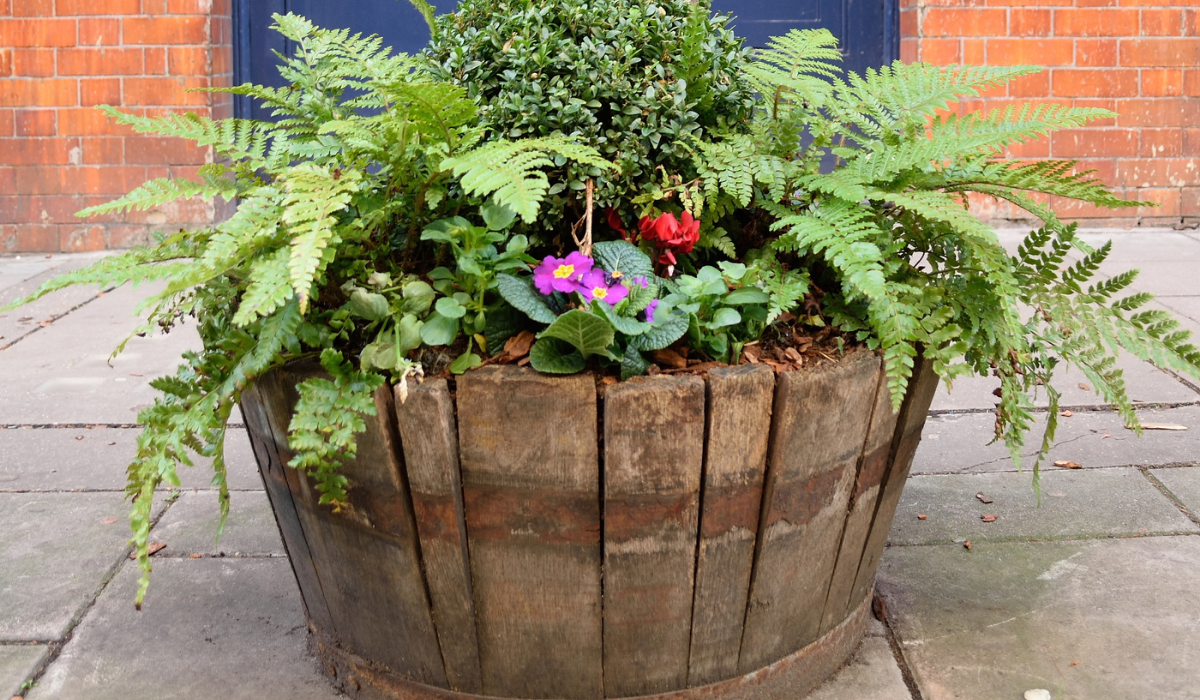
- Ditch the multiple hanging baskets in favour of fewer large half-barrel displays.
- Watering plants early in the morning or late in the evening.
- Using mulch to retain moisture.
- Choosing drought-tolerant or native plants.
- Collecting rainwater for garden use.
- Fixing leaking irrigation systems promptly.
These actions can keep outdoor areas attractive while reducing demand on mains water supplies.
Review Kitchen Practices
Food and drink businesses can often make savings through small operational changes.
Examples include:
- Using dishwashers only when full.
- Installing spray taps for rinsing.
- Defrosting food in refrigerators rather than under running water.
- Keeping fridge and freezer grills dust-free.
- Training staff to avoid leaving taps running unnecessarily.
Over time, these habits can deliver meaningful reductions in water use.
Involve Your Team
Staff are often best placed to identify opportunities for improvement.
Encourage employees to:
- Report leaks immediately.
- Suggest water-saving ideas.
- Follow efficient cleaning procedures.
- Understand why water conservation matters to the business.
A culture of awareness can be more effective than any single piece of equipment.
Measure Your Progress
What gets measured gets managed.
Track:
- Monthly water bills.
- Meter readings.
- Seasonal trends.
- Water-saving initiatives implemented.
Monitoring performance helps identify successful actions and demonstrates your commitment to sustainability.
Small Changes, Big Impact
Water conservation doesn’t need to be complicated or expensive. By fixing leaks, installing simple devices, reviewing daily practices and engaging guests and staff, tourism and hospitality businesses can reduce costs while helping to protect the landscapes, rivers and natural environments that make destinations special.
Every drop saved contributes to a more sustainable future for both your business and the places visitors come to enjoy.