3-minute read
Introduction
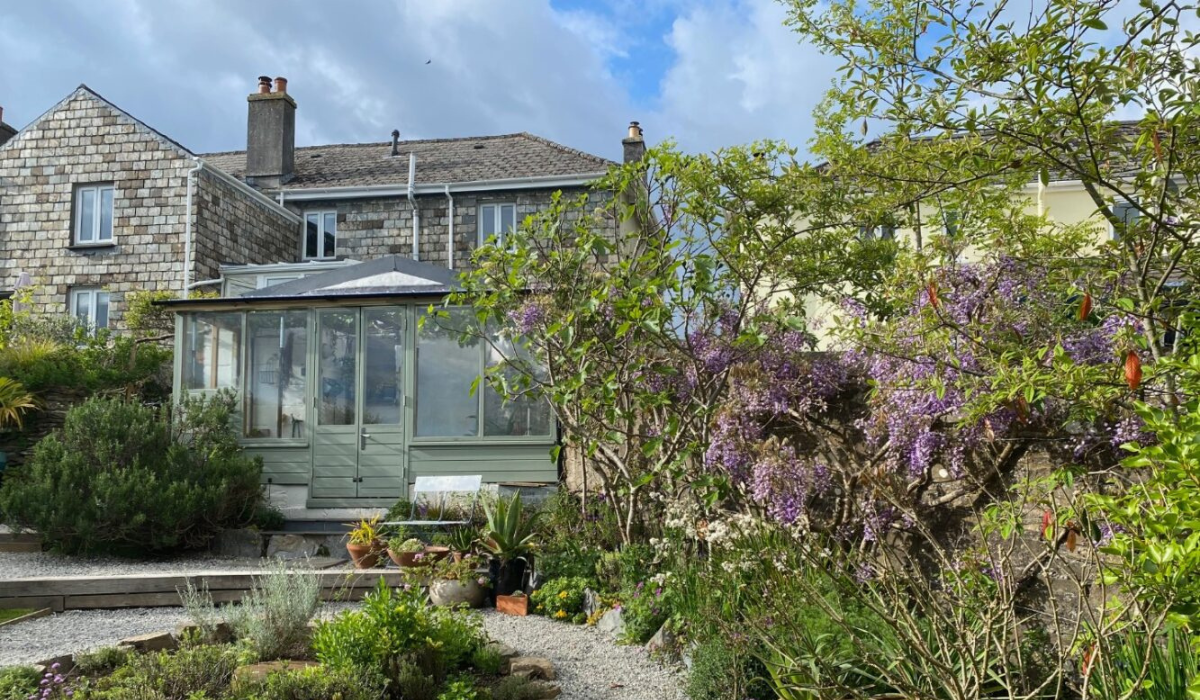
Nestled in the heart of the Tamar Valley National Landscape, Birland Cottage is a beautifully restored, mid-19th-century former silver miner’s cottage that perfectly illustrates how micro-tourism businesses can lead the charge in sustainable hospitality. Operating as an intimate, self-contained “one-up-one-down” annexe for two, this part-time Airbnb punches far above its weight in the eco-tourism sector. As a two-time Green Acorn Award holder and a certified Green Ambassador for Visit Tamar Valley, the property seamlessly bridges historical character with zero-waste principles. It proves that small-scale, slow-tourism models, complete with organic provisions, low-carbon rail access, and hyper-local food experiences, can deliver premium guest comfort while actively preserving the regional environment
Sustainable hospitality means reducing environmental impact while giving guests an authentic, eco-friendly experience. Here is how a lifelong commitment to green living shaped the creation of Birland Cottage, a premier eco-conscious holiday let in the Tamar Valley.
-
- Organic Cultivation: Growing food without chemical pesticides or artificial fertilisers.
- Resource Conservation: Collecting rainwater and composting organic waste.
- Circular Kitchen: Cooking from scratch, utilising leftovers, and preserving seasonal produce.
- Waste Reduction: Mending textiles, fixing equipment, and prioritising second-hand items.
- Energy Mindfulness: Unplugging idle devices and maintaining appliances for longevity.
Lessons from the Past
- Bulk Shopping: Early wholefood co-operatives pioneered the modern packaging-free refill shop model.
- Climate Science: Environmental advocates have highlighted the science of climate change for over fifty years.
- Holistic Actions: True sustainability requires looking beyond food choices to evaluate overall consumption.
Creating Birland Cottage
Sustainable Renovation Strategies
- Durable Flooring: Installing hard-wearing, easy-to-clean surfaces to eliminate harsh chemical cleaners.
- Energy Efficiency: Choosing high-efficiency appliances to lower carbon emissions.
- Local Sourcing: Using regional materials to minimise transport footprints.